Education
July 20, 2026
Vacancy Season: Protecting Units Between Tenants
A vacant apartment can feel like an opportunity. It’s time to repaint, make repairs, and prepare for the next resident. But while a unit may be empty, it’s far from inactive.
In fact, the period between move-out and move-in is often one of the most vulnerable stages in a property’s lifecycle. Small plumbing leaks can go unnoticed for days. Maintenance projects bring additional foot traffic. Keys change hands. Contractors come and go. Without someone living in the space, minor problems can become major repairs before anyone notices.
The good news? A few proactive steps during turnover can help protect your property, reduce claims, and keep your leasing schedule on track.
Catch Small Leaks Before They Become Big Problems
An occupied apartment has built-in monitoring. Residents typically notice dripping faucets, leaking toilets, or water collecting under sinks. Vacant units don’t have that everyday set of eyes. Before a unit sits empty, take time to inspect common sources of water damage, including:
- Toilet supply lines and shutoff valves
- Under-sink plumbing connections
- Water heater connections
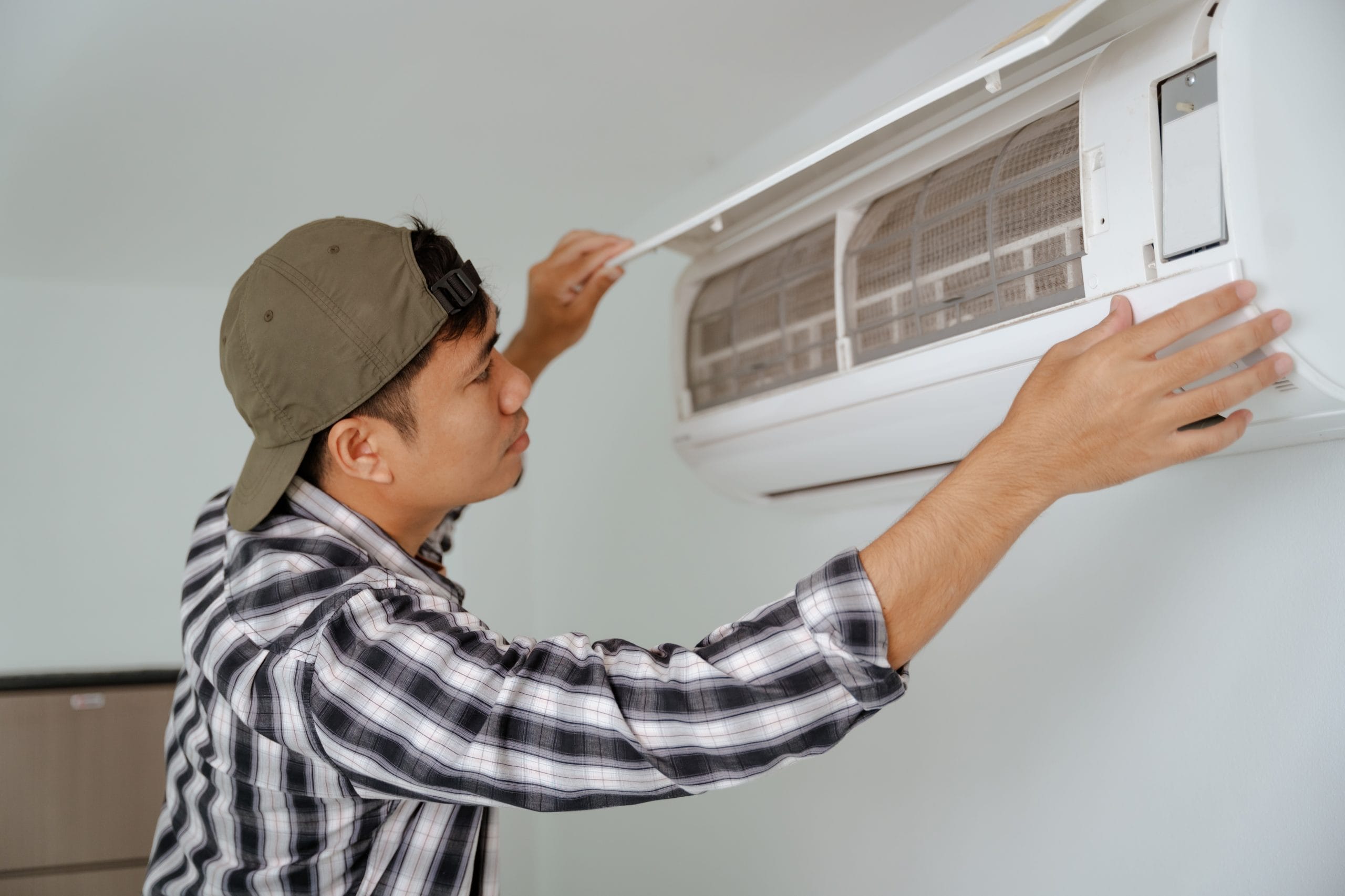
- HVAC condensate lines and drain pans
- Windows and doors after heavy summer storms
Even a slow leak can damage flooring, drywall, or neighboring units if it goes undetected during a vacancy.
Manage Humidity While the Unit Is Vacant
Summer heat doesn’t just affect occupied apartments. Closed, unoccupied units can trap heat and humidity, creating conditions that encourage musty odors, mildew, or even mold growth if moisture is present. If utilities remain on during turnover, verify that HVAC systems are operating as intended and maintain reasonable temperature and humidity levels. If utilities are scheduled to be shut off, adjust your inspection schedule accordingly so humidity-related issues don’t go unnoticed.
Control Access to the Unit From Day One
One of the first priorities after a resident moves out should be controlling who can access the unit. As part of every turnover:
- Rekey or change locks when appropriate
- Collect or deactivate keys, fobs, garage remotes, and access credentials
- Keep lockboxes secured between showings
- Limit access to authorized maintenance personnel and leasing staff
A clear access protocol helps reduce unauthorized entry while protecting both the property and prospective residents.
Confirm Utility Plans Before the Unit Sits Empty
Every vacant unit has different maintenance needs. Some may require electricity and water to remain on while repairs or cleaning are completed, while others can be safely shut down. Before a unit sits empty, verify that utility settings align with your turnover plan. Making intentional decisions about water, power, and HVAC operation can help reduce the risk of leaks, equipment issues, or unnecessary utility costs.
Schedule Routine Vacancy Checks
It’s easy to assume an empty apartment doesn’t need attention until the next showing. In reality, vacant units benefit from regular inspections. Walk-throughs allow you to identify problems before they become expensive surprises, including:
- Water intrusion
- Pest activity
- HVAC issues
- Electrical concerns
- Signs of attempted entry or vandalism
A documented inspection schedule also helps demonstrate good property management practices if questions arise later.
Use Turnover as a Maintenance Opportunity
Vacancies provide something property owners rarely have once a resident moves in: unrestricted access.
Rather than focusing only on cosmetic improvements, use this time to address preventive maintenance that may otherwise be postponed. Consider checking:
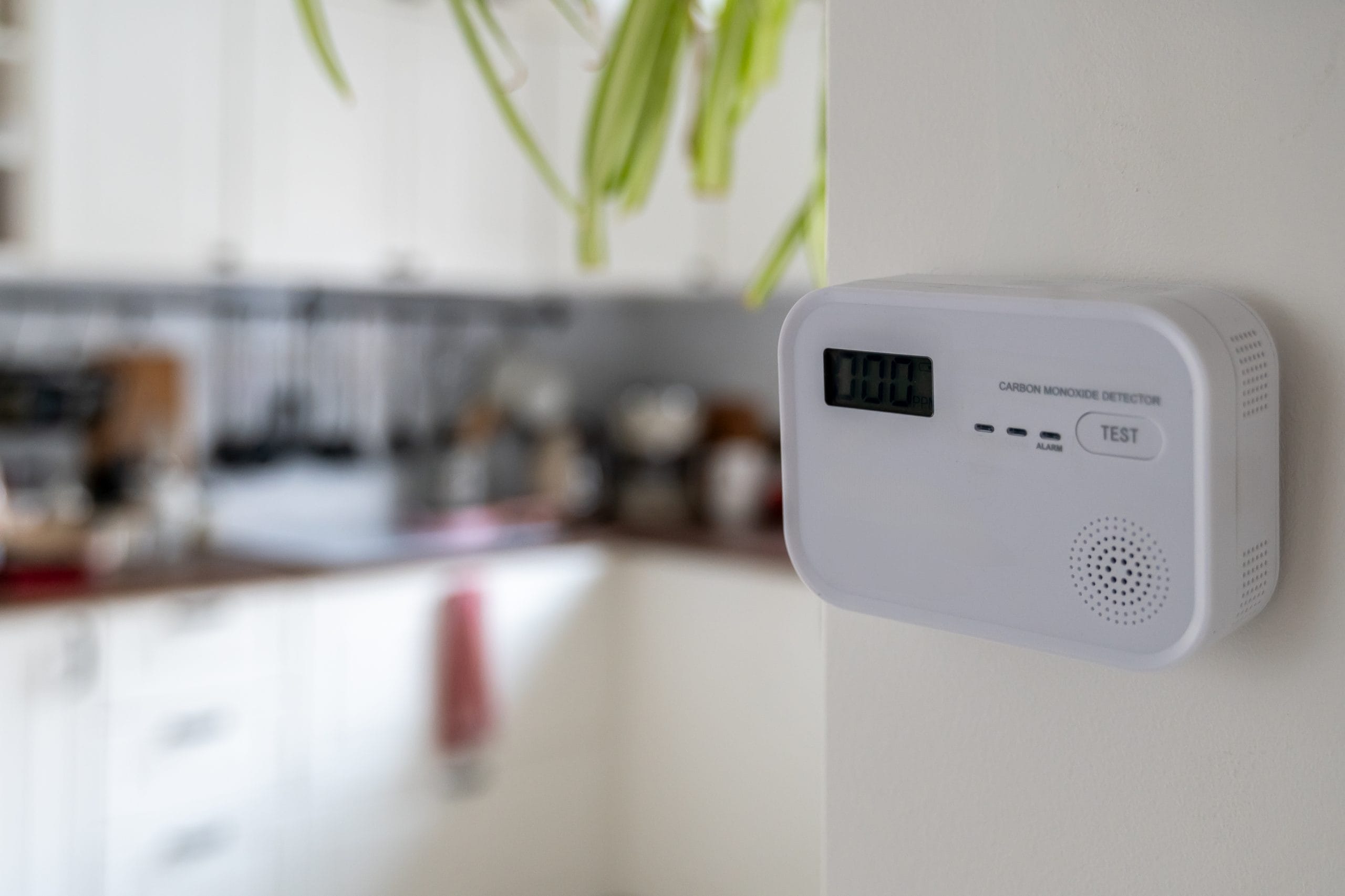
- Smoke and carbon monoxide detectors
- Door and window hardware
- Appliance connections
- GFCI outlets
- Caulking around tubs, sinks, and windows
Addressing these items before the next resident moves in can reduce service calls and help prevent future claims.
Document the Unit Before the Next Move-In
A thorough record of the unit’s condition protects everyone involved.
Take photographs before maintenance or renovation work begins to establish the unit’s original condition. Then photograph the completed work once repairs and cleaning are finished. This creates a clear record of improvements, supports communication among property teams and contractors, and can prove valuable if questions arise after the next resident moves in.
Protect Your Timeline as Well as Your Property
Every extra day a unit sits vacant affects occupancy goals. Unexpected damage during turnover can delay repairs, postpone move-in dates, and create unnecessary costs.
By staying ahead of maintenance, controlling access, and inspecting vacant units regularly, multifamily housing property owners can reduce risk while helping ensure every apartment is ready for its next resident. If you’re reviewing vacancy-related risks this leasing season, your Millers Mutual agent can help you evaluate potential exposures and discuss insurance coverages that support your long-term property management strategy. The VacantExpress program, for example, can provide thorough coverage with competitive rates when a property is vacant due to tenant transitions or renovations. Property limits up to $7.5 million and general liability limits up to $1 million are available.