Education
August 12, 2026
Address Small Repairs Before They Become Major Expenses
Every property owner has a running to-do list. A loose handrail. A small roof repair. A crack in the parking lot that doesn’t seem urgent. When budgets are tight or schedules get busy, it’s tempting to move those projects to next month.
The challenge is that deferred maintenance has a way of accumulating, much like debt. Small issues rarely stay small. Left unaddressed, they can affect resident safety, interrupt operations, damage neighboring building components, and ultimately lead to more expensive repairs or insurance claims.
The good news? Many of the most costly property losses begin as maintenance items that can be identified and addressed early. Here are a few examples worth keeping on your radar.
Small Leaks Rarely Stay Small
A slow drip under a sink or a minor plumbing leak may not seem like an emergency. But over time, even a small amount of moisture can damage flooring, drywall, cabinetry, insulation, and neighboring units.
Water also has a way of finding the path of least resistance. A leak that begins inside one apartment may eventually affect common areas or units below, increasing repair costs and disrupting multiple residents.
Addressing leaks when they’re first discovered is often one of the simplest ways to prevent larger property losses.
Don’t Ignore Cracked Pavement
A small crack in a sidewalk or parking area may seem like little more than a cosmetic issue. But weather, traffic, and changing temperatures can quickly make it worse. Water enters small openings, erosion accelerates, and surfaces become uneven.
Inspect regularly for:
- Expanding pavement cracks
- Uneven sidewalks
- Loose curbs
- Areas where drainage contributes to deterioration
Prompt repairs help reduce both liability exposure and long-term pavement replacement costs.
Damaged Railings Deserve Immediate Attention
Handrails, guardrails, and stair railings are used every day, which makes wear easy to miss. Yet they’re among the property’s most important safety features.
Check periodically for:
- Loose mounting hardware
- Rust or corrosion
- Wobbling sections
- Damage following contractor work or severe weather
A railing that feels “just a little loose” today can become a serious safety hazard tomorrow.
Aging Equipment Can Hide Growing Risks
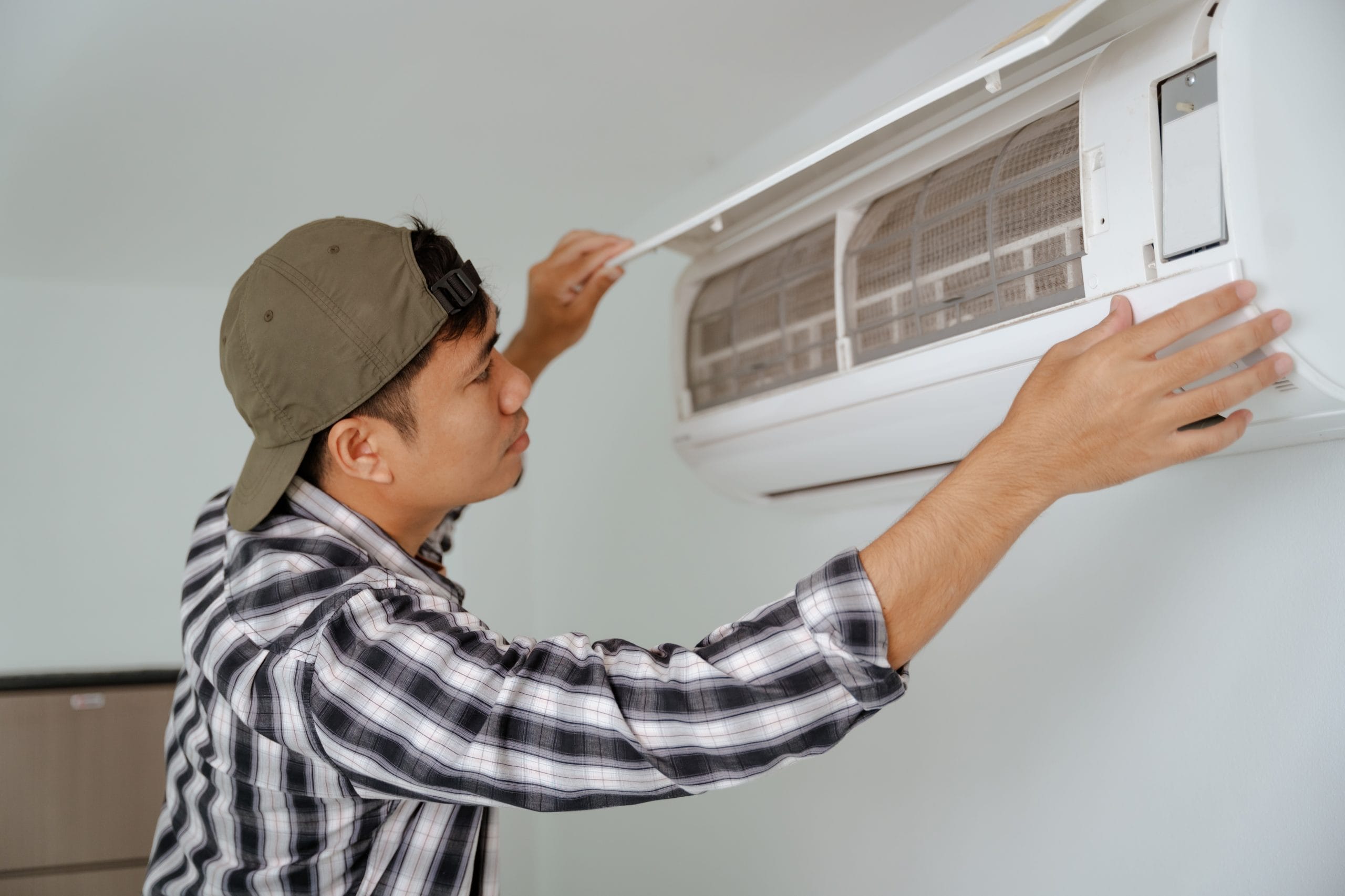
Building systems don’t typically fail without warning. HVAC equipment, water heaters, exhaust fans, pumps, and other mechanical systems often show signs of wear long before they stop working.
Look for:
- Unusual noises or vibrations
- Visible corrosion
- Water staining around equipment
- Declining performance
- Maintenance schedules that have slipped behind
Keeping routine service on schedule can often extend equipment life while helping identify small issues before they result in emergency repairs or property damage.
Routine Inspections Help Break the Cycle
Deferred maintenance isn’t always the result of neglect. More often, it’s the result of competing priorities.
Creating a consistent inspection schedule and documenting what you find help ensure small repairs get resolved instead of rolling from one month’s to-do list to the next.
Protect Your Property One Small Repair at a Time
Successful property management isn’t about preventing every maintenance issue. It’s about recognizing which small problems have the potential to become much larger ones.
By addressing maintenance concerns early, multifamily housing property owners can reduce risk, avoid unnecessary disruption for residents, and protect their investment for years to come.
If you’re evaluating maintenance-related risks at your property, your Millers Mutual agent can help you review potential exposures and discuss insurance coverages that support your long-term property management strategy.