Education
October 12, 2026
Beyond the Beep: Keeping Life Safety Systems Ready
Smoke alarms and carbon monoxide detectors are easy to overlook when they’re doing their jobs quietly. The same is true of fire alarms, emergency lighting, sprinkler systems, and other safety equipment throughout a multifamily housing property. But these systems need regular attention to stay ready. A missed test, aging device, or unresolved maintenance issue can leave a gap in protection.
For property owners and managers, a consistent routine can help catch problems early, keep required maintenance on schedule, and make sure residents know what to do when something isn’t working as it should.
Start With Smoke and Carbon Monoxide Alarms
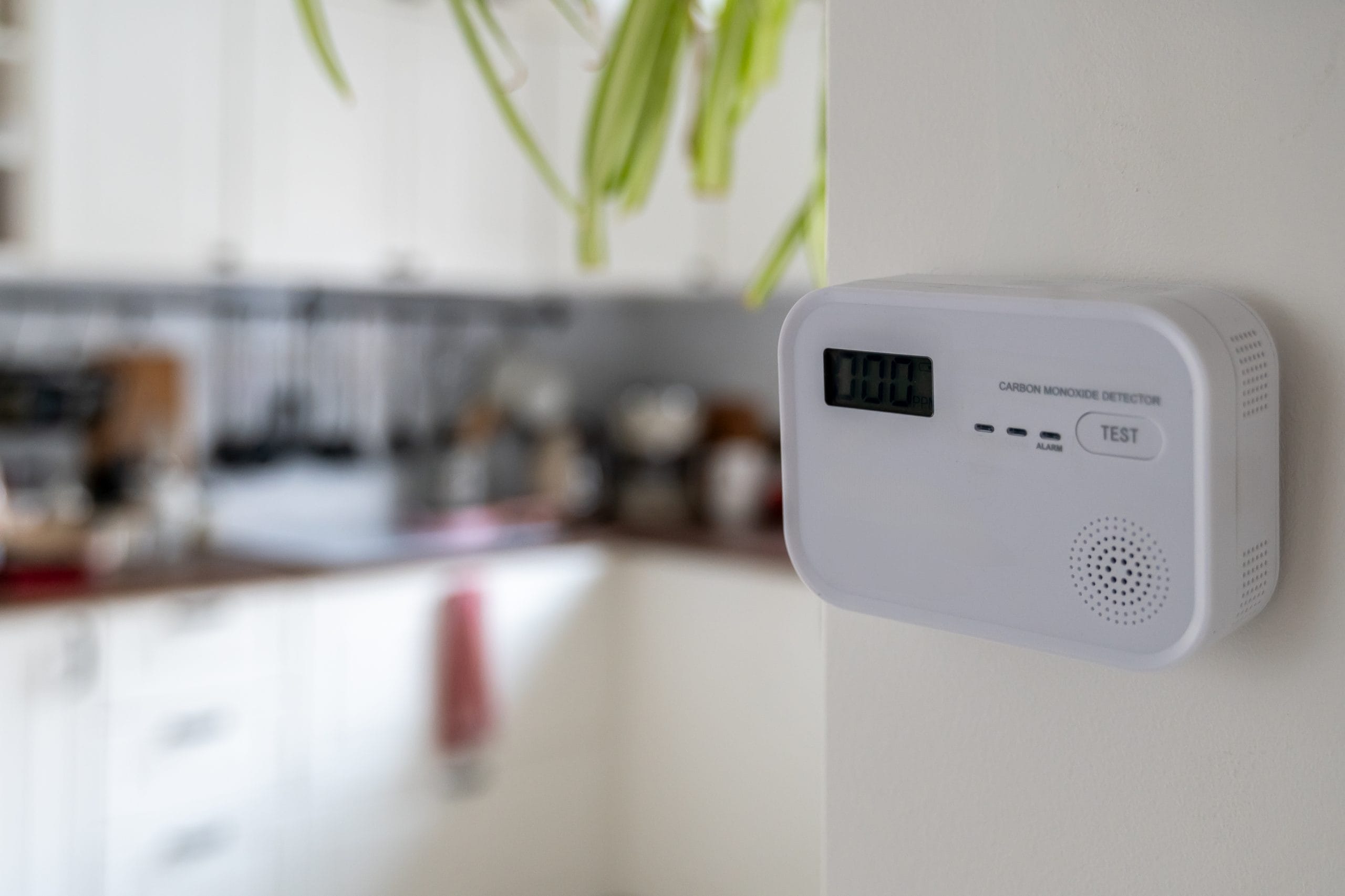
Smoke alarms and carbon monoxide detectors are some of the most familiar safety devices in any building. Because many are located inside individual units, keeping them in working order may require coordination among property teams, maintenance staff, and residents.
As part of your routine, check:
- Whether required alarms and detectors are present and properly located
- Whether devices are working as intended
- Battery condition, where applicable
- Device age and recommended replacement dates
- Signs of damage, tampering, or removal
- Whether interconnected devices function together as designed
The U.S. Fire Administration recommends testing smoke alarms monthly and replacing them when they are 10 years old. Battery needs vary by device, so follow manufacturer instructions as well. Confirm which codes and requirements apply to each building rather than relying on a single schedule for every property.
Look at the Bigger Life Safety Picture
Smoke and carbon monoxide alarms are just part of the picture. Depending on the property, other equipment may include fire alarm panels, sprinkler systems, emergency lighting, exit signs, fire extinguishers, pull stations, and notification devices.
Each has its own inspection and maintenance needs. Build schedules around the equipment at your property, manufacturer guidance, applicable codes, and local requirements, and use qualified professionals when required.
Take a look at the systems supporting that equipment, too. Electrical service, backup power, monitoring, and other components may affect whether equipment works as intended.
Put Maintenance on the Calendar
Life safety maintenance is easier to manage when it’s part of the property’s regular preventive maintenance schedule rather than something addressed only when a problem arises. Depending on the property and its systems, scheduled tasks could include:
- Professional fire alarm and sprinkler inspections and service
- Emergency lighting and exit sign checks
- Fire extinguisher inspections and service
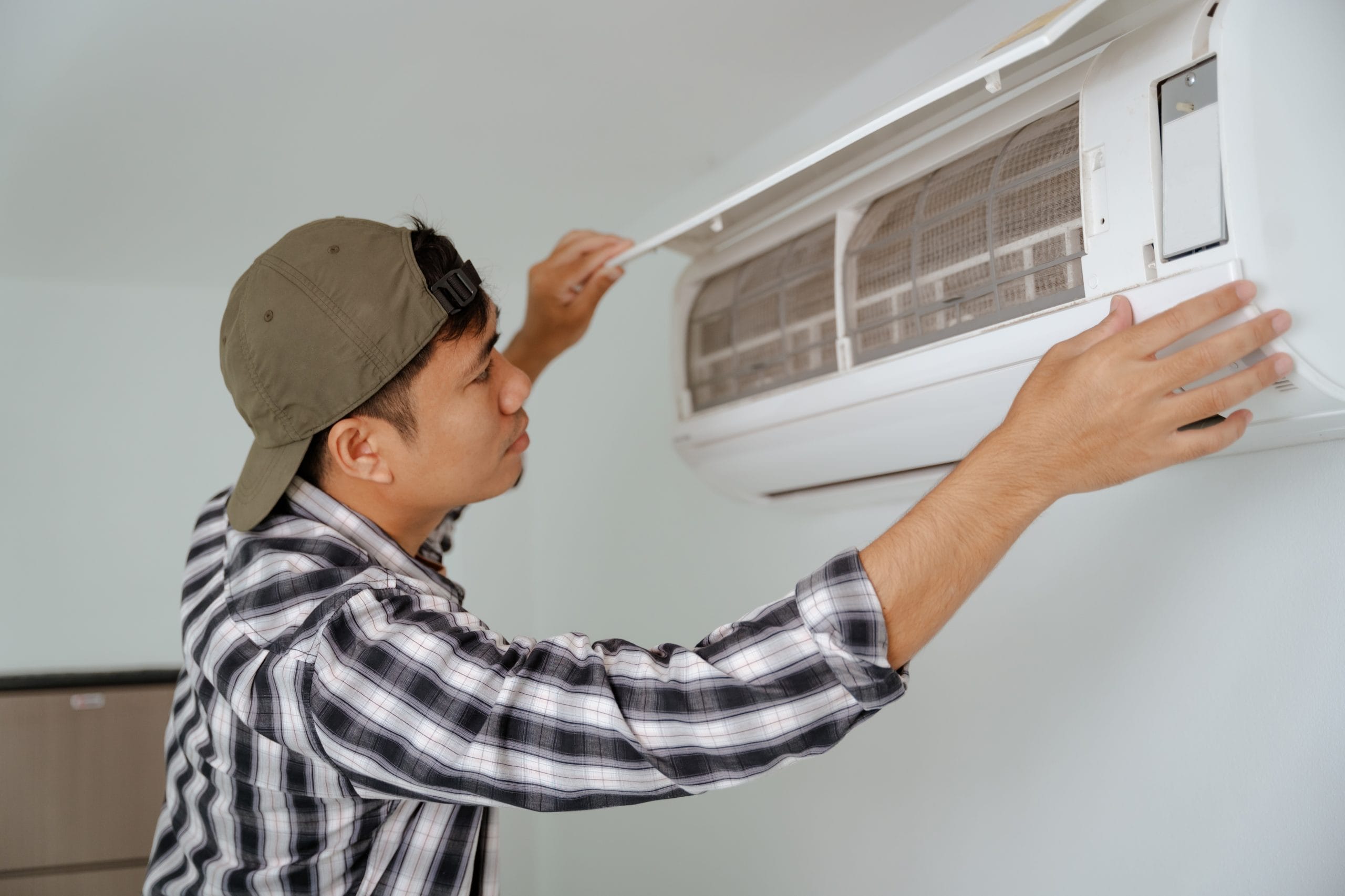
- Cleaning and maintenance required for system components
- Follow-up on trouble signals, damaged equipment, or failed components
- Repairs or replacements identified during inspections
Document the Details
Good records give property teams a clear picture of what has been checked, what needs attention, and what has already been corrected. Keep organized records of inspections, tests, service, repairs, and replacements. Depending on the task, records may include:
- Date of service
- Equipment or location inspected
- Results
- Deficiencies identified
- Corrective action taken
- Person or contractor completing the work
When an inspection identifies a problem, track it through resolution. Over time, your records may also reveal recurring issues that deserve a closer look.
Stay Current on Inspection Requirements
Fire and life safety requirements can vary based on location, building characteristics, system type, and applicable codes. Periodically review your procedures to make sure they still align with your property and its requirements.
Confirm that:
- Required inspections and tests are current
- Qualified professionals perform service when required
- Identified deficiencies have been corrected
- Required records and certifications are accessible
- Building or occupancy changes haven’t affected your requirements
If you’re unsure what applies to a property, consult the local fire authority or a qualified fire and life safety professional.
Keep Tenants in the Loop
Property teams can’t be inside every unit every day. Residents may be the first to notice a chirping alarm, damaged detector, or other problem.
Give tenants clear instructions for reporting concerns, and remind them to:
- Report any alarm or safety equipment that chirps, malfunctions, or appears damaged
- Never remove batteries or disable an alarm
- Keep exits and escape routes clear
- Know what alarms sound like and what to do when they activate
Tenant communication should also consider residents who may need additional accommodations for alerts. The U.S. Fire Administration notes that equipment such as strobe lights and vibrating alert devices can assist people who are deaf or hard of hearing.
These reminders don’t have to be complicated. Move-in materials, seasonal communications, and routine property notices are all opportunities to reinforce expectations.
Make Readiness Routine
Fire and life safety shouldn’t rise to the top of the maintenance list only when an inspection is approaching. A regular routine helps property owners stay ahead of testing, maintenance, and repairs while giving residents clear guidance about their role. The goal is simple: Know what equipment you have, know what it needs, and address issues when you find them.
Your Millers Mutual agent can also help you review potential property exposures and discuss insurance coverages that fit your broader risk management approach.